
When Atlanta’s summer heat rolls in from May through September, it doesn’t ease in gently. Temperatures soar, humidity spikes, and your HVAC system suddenly becomes one of the most critical components of your rental property. For landlords, a neglected HVAC unit isn’t just an inconvenience; it can lead to emergency repair calls, unhappy tenants, and costly breakdowns at the worst possible time.
Preparing your Atlanta HVAC system ahead of the summer rush is one of the smartest investments you can make. Simple, proactive steps like scheduling professional maintenance, replacing filters, and clearing debris can dramatically improve efficiency, reduce repair costs, and ensure consistent cooling when it matters most.
Key Takeaways
Prevent costly breakdowns by scheduling HVAC maintenance before peak summer demand
Improve energy efficiency with clean filters and optimized airflow
Protect tenant satisfaction by ensuring reliable, consistent cooling
Extend HVAC lifespan through regular inspections and upkeep
Reduce emergency repair expenses by catching issues early
Why Pre-Summer HVAC Preparation Matters in Atlanta
Atlanta’s climate is particularly demanding on HVAC systems. High humidity and sustained heat force air conditioning units to work harder and longer than in many other regions. For rental property owners, this means:
Increased wear and tear on systems
Higher energy consumption
Greater likelihood of mid-season failures
Waiting until summer to address HVAC issues often results in higher repair costs, longer wait times for technicians, and frustrated tenants dealing with uncomfortable living conditions.
By acting early in spring, landlords can avoid these risks and maintain smooth property operations during peak season.
Essential HVAC Maintenance Steps Before Summer
1. Schedule a Professional HVAC Tune-Up
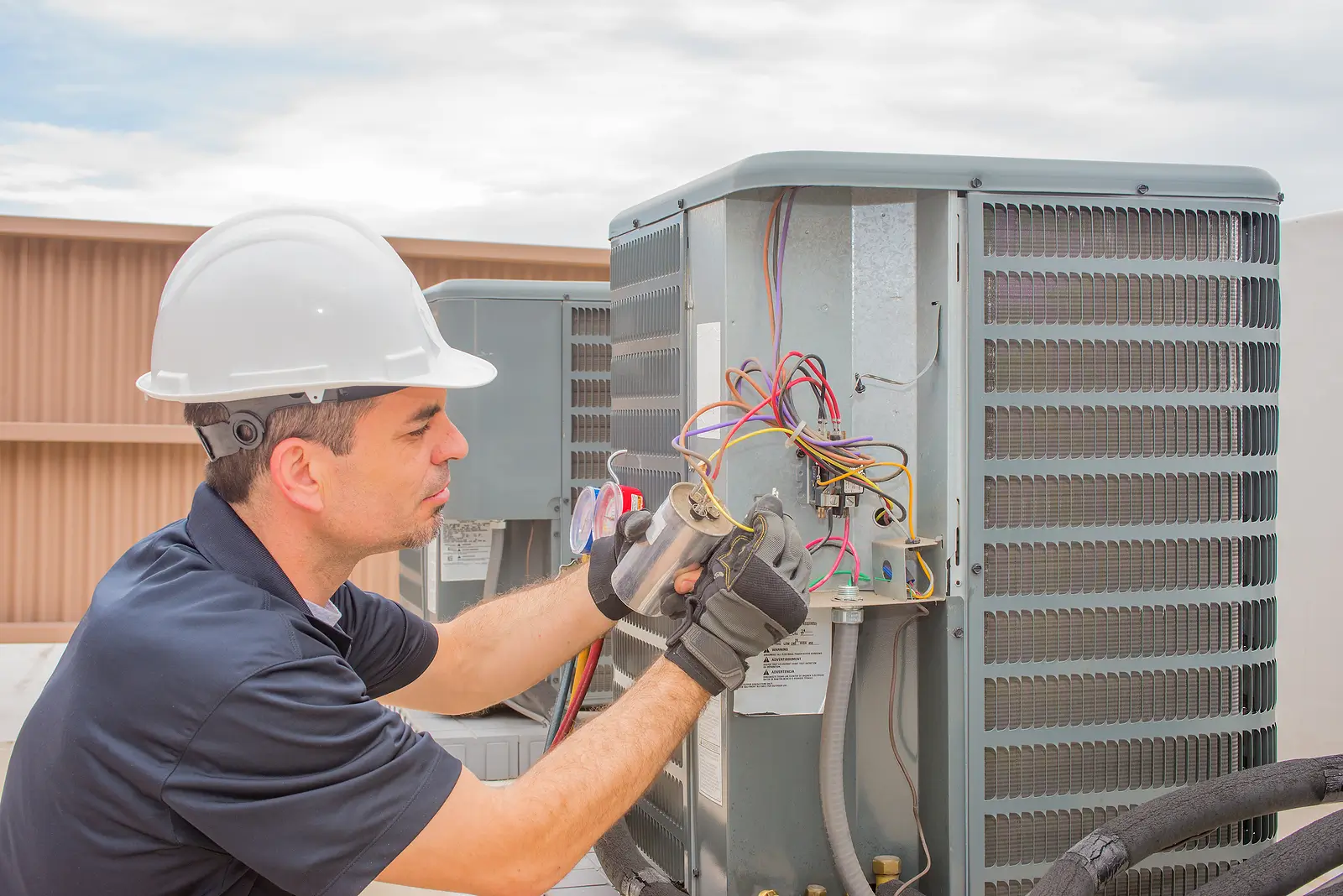
The most important step you can take is booking a professional HVAC inspection before temperatures rise.
A licensed technician will:
Check refrigerant levels
Inspect electrical components
Clean internal parts
Evaluate the drainage system
Identify potential issues like frozen coils
This preventive service ensures your system is operating efficiently and safely before it’s pushed to its limits.
Pro Tip: HVAC companies in Atlanta get booked quickly in late spring. Schedule early to avoid delays.
2. Replace Air Filters Regularly
Dirty air filters are one of the most common and avoidable causes of HVAC inefficiency.
For rental properties, landlords should ensure filters are:
Checked between tenant turnovers
Appropriate for the system’s specifications
Clean filters:
Improve airflow
Enhance indoor air quality
Reduce strain on the HVAC system
Neglecting this simple task can lead to higher energy bills and unnecessary system wear.
3. Clean the Outdoor Condenser Unit
The outdoor condenser unit plays a crucial role in releasing heat from your property. When it’s blocked by debris, the system struggles to function efficiently.
Before summer:
Remove leaves, dirt, and branches
Trim plants and vegetation nearby
A clean condenser allows for proper airflow and helps prevent overheating.
4. Inspect and Seal Ductwork
Leaky ductwork can significantly reduce your HVAC system’s efficiency by allowing cooled air to escape before it reaches living spaces.
Focus on:
Attics
Basements
Crawl spaces
Look for:
Gaps or loose connections
Visible damage
Poor insulation
Sealing ducts improves cooling performance and reduces energy waste, especially during Atlanta’s intense summer months.
5. Clear and Optimize Air Vents
Blocked vents restrict airflow and create uneven cooling throughout the property.
Ensure that:
Furniture isn’t covering vents
Rugs or curtains aren’t obstructing airflow
Both supply and return vents are clean and open
This simple adjustment can make a noticeable difference in cooling efficiency and tenant comfort.
6. Test the System Early
Don’t wait until the first heatwave to discover your HVAC system isn’t working.
Run the AC system in early spring and check for:
Unusual noises
Strange odors
Weak airflow
Inconsistent cooling
Catching issues early gives you time to fix them before peak demand hits.
7. Upgrade to a Smart Thermostat
Smart thermostats are a valuable upgrade for landlords looking to improve energy efficiency and control.
Benefits include:
Automated temperature adjustments
Remote access and monitoring
Energy usage insights
Reduced utility costs
In a hot market like Atlanta, this upgrade can also be a selling point for prospective tenants.
How HVAC Maintenance Protects Your Investment
For landlords, HVAC systems are more than just equipment; they’re a critical part of property value and tenant retention.
Avoid Emergency Repairs
Emergency HVAC repairs during summer are:
More expensive
Harder to schedule
Disruptive to tenants
Preventive maintenance significantly reduces the risk of sudden failures.
Improve Tenant Satisfaction
Reliable air conditioning is non-negotiable in Atlanta summers. A well-maintained system ensures:
Consistent indoor comfort
Fewer maintenance complaints
Higher tenant retention
Happy tenants are more likely to renew leases and take better care of your property.
Lower Operating Costs
An efficient HVAC system:
Uses less energy
Requires fewer repairs
Lasts longer
This translates into long-term savings for property owners.
The Role of Professional Property Management
Managing HVAC maintenance across multiple rental properties can be time-consuming. That’s where a professional property management company like Northpoint Property Management - Atlanta comes in.
With expert oversight, landlords benefit from:
Scheduled preventive maintenance
Trusted vendor relationships
Faster response times
Reduced operational stress
By partnering with professionals, you ensure your properties remain in top condition year-round.
Common HVAC Mistakes Landlords Should Avoid
Even experienced property owners can overlook key maintenance practices. Here are a few common mistakes:
Skipping annual inspections
Forgetting filter replacements
Ignoring early warning signs
Blocking airflow with furniture or clutter
Delaying minor repairs until they become major issues
Avoiding these pitfalls can save you thousands in repairs and replacements.
FAQs About HVAC Maintenance for Atlanta Landlords
1. How often should HVAC systems be serviced in Atlanta rental properties?
At a minimum, HVAC systems should be professionally serviced once a year, ideally in spring before summer heat begins. For high-use properties, biannual maintenance is recommended.
2. Who is responsible for HVAC maintenance, landlord or tenant?
Typically, landlords are responsible for maintaining HVAC systems, while tenants may be expected to perform minor tasks like changing air filters, depending on lease agreements.
3. What are the signs an HVAC system needs immediate attention?
Watch for:
Warm air blowing from vents
Strange noises or smells
Weak airflow
Sudden spikes in energy bills
Addressing these issues early can prevent system failure.
Stay Ahead of Atlanta’s Summer Heat
Preparing your HVAC system before Atlanta’s summer heat hits isn’t just good practice; it’s essential for protecting your property, your tenants, and your bottom line.
By taking proactive steps like scheduling professional maintenance, replacing filters, cleaning units, and optimizing airflow, you can prevent costly breakdowns. Optimizing airflow ensures your rental property stays cool and comfortable all season long.
If you’d rather leave the maintenance, inspections, and tenant coordination to experts, Northpoint Property Management - Atlanta is here to help. With local expertise and a commitment to protecting your investment, our team ensures your properties are always ready for whatever the Atlanta climate brings.
By preparing early, you’re not just maintaining an HVAC system; you’re safeguarding your investment and delivering a better experience for your tenants. Contact us today!