
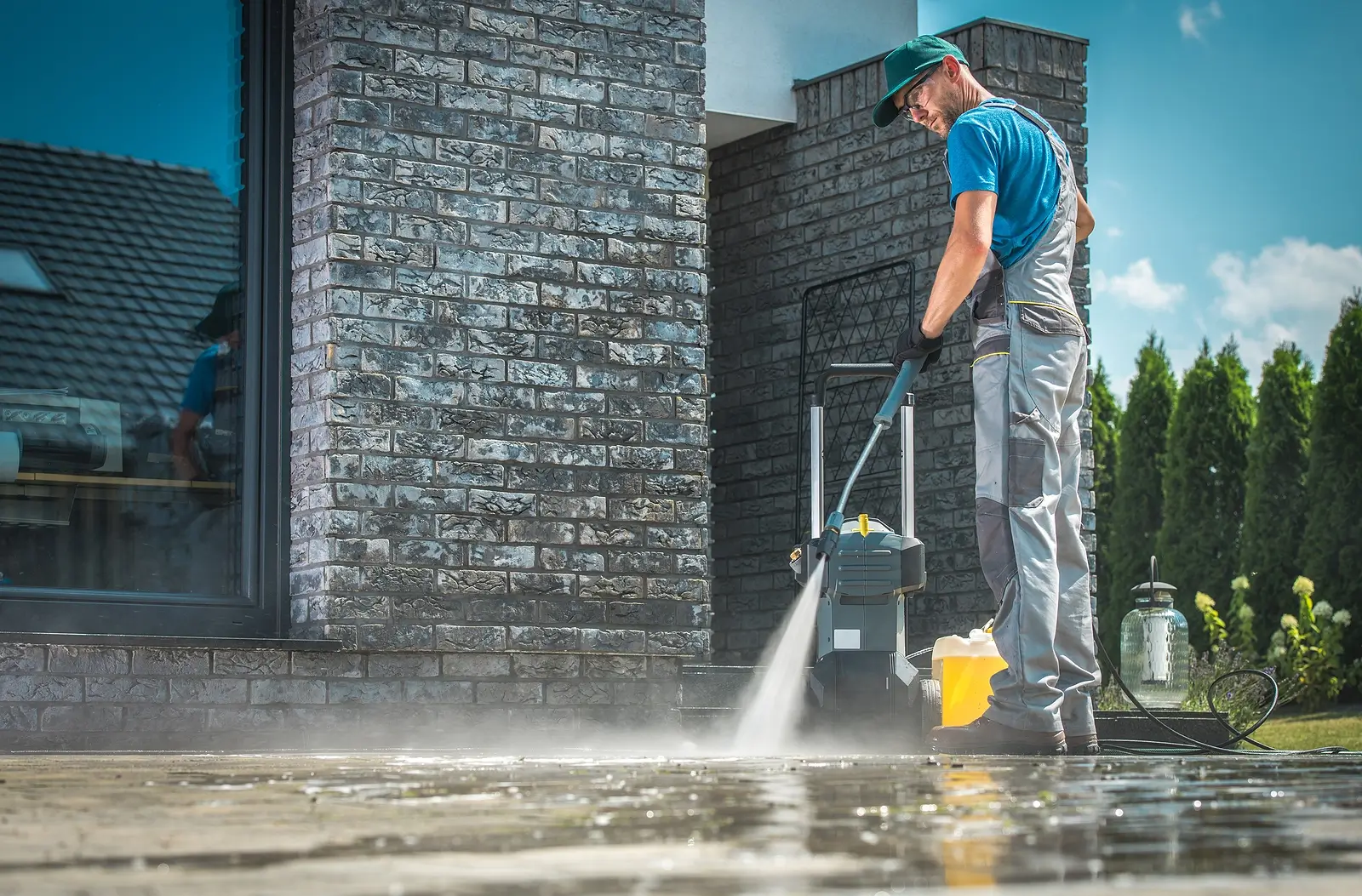
For landlords in Atlanta, managing rental properties goes far beyond collecting rent—it requires a proactive, organized approach to maintenance. Handling tenant maintenance requests the right way not only protects your investment but also keeps tenants satisfied, reduces turnover, and minimizes costly emergency repairs. Whether you manage a single unit or a growing portfolio, having a structured system in place is essential for long-term success.
Key Takeaways
Centralize all maintenance requests to avoid missed or undocumented issues
Prioritize requests by urgency to respond efficiently and appropriately
Communicate clearly and consistently with tenants throughout the process
Work with reliable, vetted vendors for quality and timely repairs
Implement preventive maintenance to reduce costly emergencies
Why Proper Maintenance Handling Matters
In a competitive rental market like Atlanta, GA, tenant expectations are high. Delayed or poorly handled maintenance requests can quickly lead to dissatisfaction, negative reviews, or even legal issues. On the flip side, prompt and professional maintenance handling builds trust and encourages lease renewals.
For landlords working with professional teams like Northpoint Property Management, streamlined maintenance systems ensure that no request falls through the cracks—saving time, money, and stress.
Establish a Centralized Maintenance Request System
One of the most common mistakes landlords make is accepting maintenance requests through multiple channels, such as text messages, phone calls, or social media.
Instead, create a centralized system such as:
An online tenant portal
Dedicated email address
Property management software
This ensures:
Every request is documented with timestamps
Nothing gets lost or overlooked
You have a clear record for legal protection
A centralized system also allows tenants to submit requests conveniently, improving their overall experience.
Prioritize Requests by Severity
Not all maintenance issues are equal. A structured prioritization system helps you allocate resources effectively and respond appropriately.
Emergency (Immediate Response – Within Hours)
These issues require urgent attention due to safety risks or major property damage:
Gas leaks
Flooding
No heat during winter
Electrical hazards
Urgent (2–3 Days)
These problems disrupt comfort but are not immediately dangerous:
Broken appliances
Minor plumbing leaks
HVAC malfunctions
Routine (5–7 Days)
These are standard maintenance tasks that can be scheduled:
Dripping faucets
Cosmetic repairs
Minor wear and tear
By categorizing requests, landlords in Atlanta can ensure that emergencies are addressed first without neglecting routine maintenance.
Set Clear Expectations With Tenants
Clear communication starts before a maintenance issue even arises. Your lease agreement should define:
What qualifies as an emergency
Expected response times
How to submit requests
24/7 emergency contact procedures
When tenants know what to expect, it reduces confusion, prevents misuse of emergency lines, and ensures smoother operations.
Maintain Clear and Consistent Communication
Communication is the backbone of effective property management.
When a tenant submits a request:
Acknowledge immediately – Even a quick confirmation reassures tenants
Provide updates – Let them know when a technician is scheduled
Confirm completion – Notify them once the issue is resolved
This proactive approach helps maintain strong landlord-tenant relationships and shows professionalism.
Document Every Step of the Process
Proper documentation protects both landlords and tenants. Keep detailed records of:
Request submission dates
Communication logs
Vendor invoices
Before-and-after photos
Completion notes
This is especially important in the case of disputes or recurring issues. Having a complete paper trail can save you from legal headaches and help identify long-term property concerns.
Use Reliable and Vetted Vendors
Scrambling to find a contractor during an emergency can lead to delays, higher costs, and poor-quality work.
Instead, build a network of trusted professionals:
Plumbers
Electricians
HVAC technicians
General contractors
Working with reliable vendors ensures:
Faster response times
Consistent service quality
Better pricing through ongoing relationships
Professional property management companies like Northpoint Property Management in Atlanta often have established vendor networks, giving landlords a significant advantage.
Invest in Proactive Maintenance
The best way to handle maintenance requests is to prevent them from happening in the first place.
A preventive maintenance plan can reduce emergency repair costs by up to 60–70%.
Key Preventive Measures:
Regular HVAC inspections and filter replacements
Annual plumbing system checks
Seasonal maintenance (gutter cleaning, insulation checks)
Routine property inspections with documented reports
Proactive care not only saves money but also extends the lifespan of your property’s systems and appliances.
What to Do After Repairs Are Completed
Maintenance doesn’t end when the repair is finished. Closing the loop is just as important.
Verify Completion
Ensure the work meets quality standards. For major repairs, consider inspecting the work yourself or having a professional verify it.
Follow Up With Tenants
Reach out to confirm the issue has been resolved to their satisfaction. This simple step builds trust and shows that you care about their living experience.
Update Your Records
Close out the work order and log all details. Tracking repairs over time can help identify recurring issues that may signal larger underlying problems.
How Professional Property Management Can Help
Handling maintenance requests efficiently can be time-consuming, especially for landlords managing multiple properties. Partnering with an experienced company like Northpoint Property Management – Atlanta provides:
24/7 maintenance coordination
Access to trusted vendor networks
Streamlined request systems
Detailed documentation and reporting
This allows landlords to focus on growing their investments while ensuring tenants receive top-tier service.
FAQs About Handling Tenant Maintenance Requests
1. How quickly should landlords respond to maintenance requests?
Response times depend on the severity of the issue. Emergencies should be addressed within hours, urgent issues within 2–3 days, and routine repairs within 5–7 days.
2. What qualifies as a maintenance emergency?
Emergencies include situations that threaten safety or cause major damage, such as gas leaks, flooding, electrical hazards, or lack of heat during winter.
3. Should landlords handle maintenance themselves or hire professionals?
While minor repairs can sometimes be handled personally, hiring licensed professionals ensures safety, compliance, and high-quality work—especially for complex issues.
Streamline Maintenance for Better Results
Handling tenant maintenance requests the right way is essential for protecting your property, maintaining tenant satisfaction, and maximizing your investment returns. By implementing a structured system, prioritizing effectively, and staying proactive, landlords in Atlanta can avoid costly mistakes and build long-term success.
If you want a stress-free approach to property maintenance, consider working with experts who understand the local market.
Contact us today to learn how professional management can simplify your operations and keep your properties running smoothly.